





The technologies used in business aren't just an IT detail. They can give you valuable insights, from how a company operates to where it's investing.
That's why knowing how to analyze company tech stacks is so valuable for competitive analysis, sales strategy, and partnership building. This step-by-step guide shows you exactly how to uncover that data and turn it into smarter, more informed business decisions.
What is a tech stack?
A tech stack, or technology stack, is a combination of tools, software, and platforms a company uses to build and run its products. Researching a company's tech stack helps you understand its technical capabilities, potential hiring needs, and development approach. Additionally, you can later use this information to understand competitor’s technology choices or assess investment potential.
Why knowing a company’s tech stack matters
Whether you're in sales, marketing, product development, or investment research, knowing a company’s tech stack, including its software, tools, and platforms, can help you make more informed decisions and create better strategies.
Here are some other reasons why tracking a company’s technology stack matters:
- Competitive benchmarking. Tracking your competitors’ technology stack can help you find gaps in your own stack, spot new industry trends, and uncover opportunities to improve.
- Sales and lead qualification. B2B sales teams can use knowledge of their prospect’s tech stack to qualify leads more efficiently and tailor outreach. For example, your offering could work better with a company that already uses a compatible tool.
- Market and trend analysis. Monitoring tech adoption trends across industries can give you valuable insights into market demand. If more companies adopt a specific analytics tool or cloud provider, that may signal an emerging industry shift.
- Partnership and integration opportunities. Technology stack insights can be particularly useful for companies seeking strategic partnerships and integration opportunities. If a potential partner uses software that aligns with your product, there’s a stronger case for collaboration.
- Cybersecurity and compliance considerations. Running a tech stack analysis can give your business an overview of security risks and compliance requirements. A company that uses outdated or vulnerable software may signal potential risks.
These are just a few examples of how technographic data can help your business. Below, you can learn more about how to check company tech stack and find tech stack analyzer recommendations.
How to find a company’s tech stack? Step-by-step guide
If you are wondering how to find a company’s tech stack, the process is not complicated if you choose the right tools. Coresignal offers self-service tools that different types of users can access, so you do not need to be a programmer to use them.
Below, you’ll find a step-by-step guide showing you how easy it is to find technology stack of company you’re interested in with Coresignal’s self-service platform.
- Go to the Company API playground
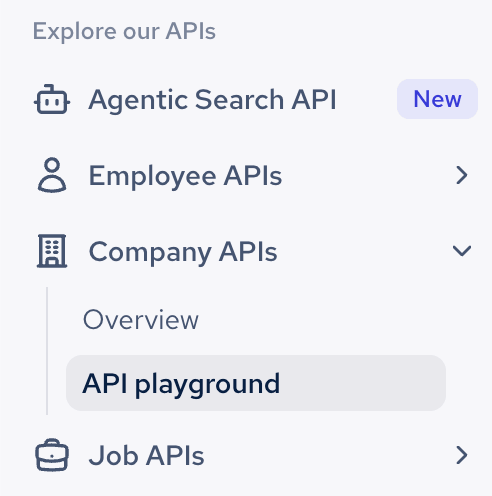
First, hover over the side menu on the left, click Company APIs and choose API playground from the list. This will open a playground, which is essentially a tool to test out the API.
- Write a prompt
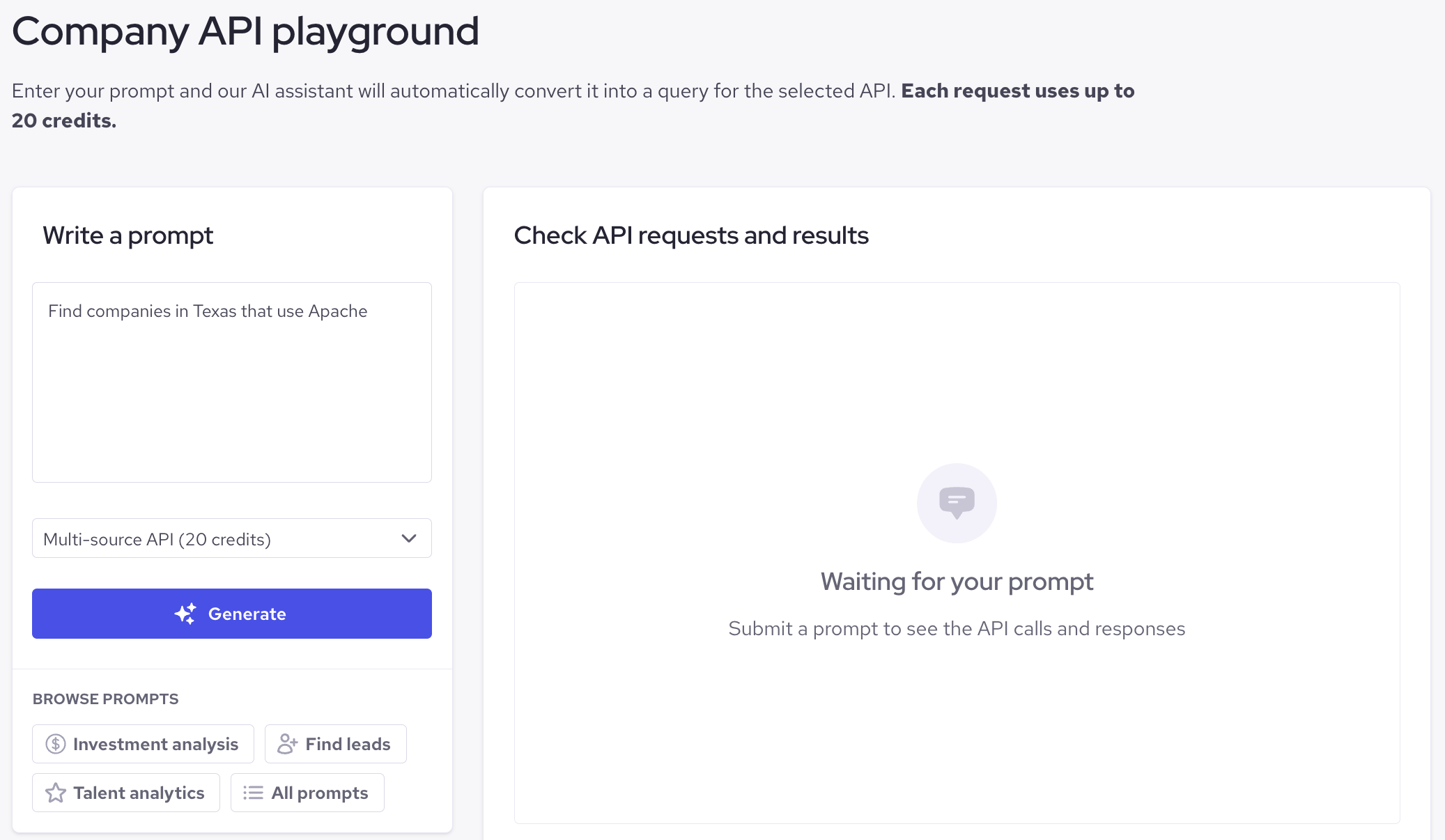
In the window that opens, write your prompt in simple, natural language. Let's say you are interested in finding companies in Texas that use Apache. Of course, with our Multi-source API, you can query any type of technology you prefer.
Once you are happy with your prompt, press Generate.
- Review the query
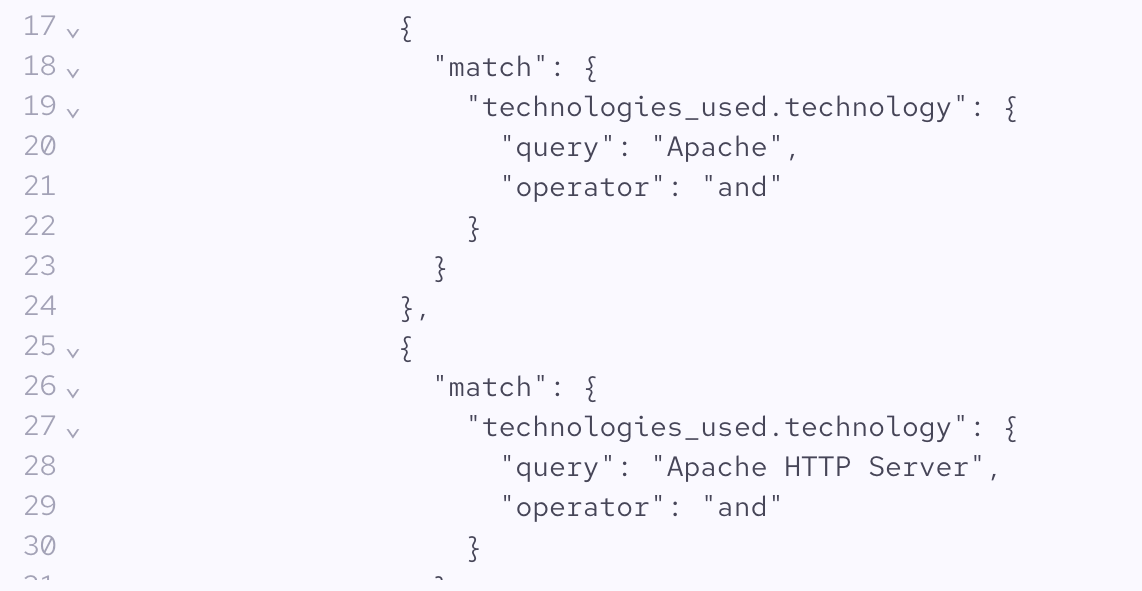
In the Search request section, review the query and check the full request. You can edit it and add more parameters.
The query will also return a list of company IDs that use the specific technologies you've listed in your prompt.
- Check out the company profile
Now, select the Collect request section. This will return the full profile of the company, including the list of technologies it uses as well as 500+ other data fields.

5. Optional: choose and run other templates
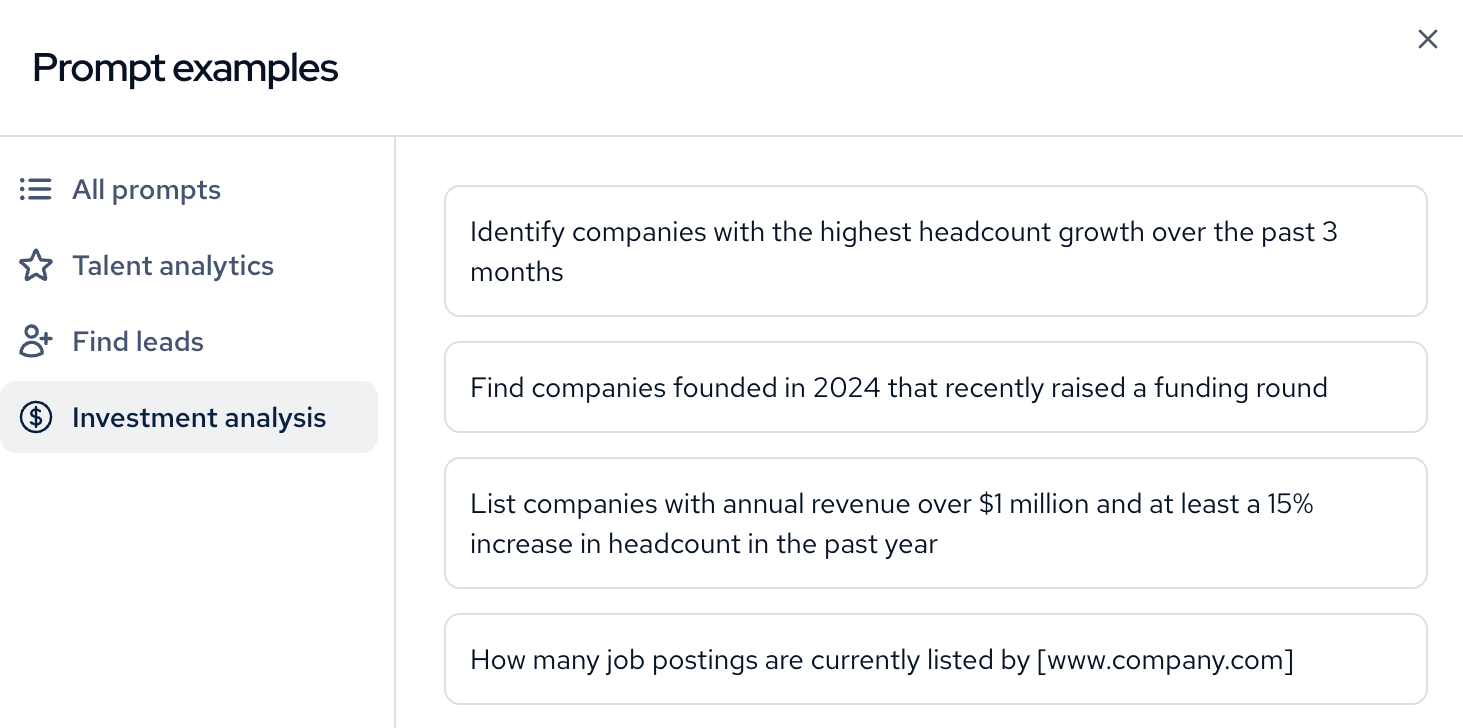
If you want to try out our data, you can choose from the list of different query templates.
To begin, locate the Browse prompts element, click All prompts, and pick a prompt to run the query.
Best tools and methods to check a company’s tech stack
Identifying companies' tech stacks isn’t always straightforward, and the methods vary depending on your resources, scale, and goals.
Coresignal's database is perfect if you need to uncover a larger list of companies at once. If you simply want to check one or two companies, here are a few other effective ways to uncover the tech stack behind the businesses you're interested in.
Top 5 company tech stack analysis tools
Not all technology stack tools are built the same – some are made for deep, large-scale data analysis, while others are built for quick, on-the-spot checks. Here are five of the top tools available today, along with what each one does best.
- Coresignal. Handles large-scale projects needing comprehensive data and API integration, aggregates multi-source company data, and is well-suited for B2B sales teams and enterprise use cases.
- BuiltWith. Can run systematic analysis, scan websites to identify frameworks, analytics tools, and e-commerce platforms, with historical data tracking changes over time.
- Wappalyzer. Runs quick checks and lets you analyze sites instantly, making it an ideal option for developers and security analysis.
- SimilarTech. A good fit for those who need insights for competitive analysis of integrations and web plugins.
- TheirStack. Combines technology stack tracking with sales intelligence for B2B prospecting.
For a quick tool side-by-side comparison, have a look at a table below.
Please note that the tools were selected based on their data sources, technology coverage, search capabilities, scalability, access methods, and suitability for different research use cases. They are not ranked from best to worst, as the right option depends on whether you need website technology detection, broader technographic data, or company research at scale.
LinkedIn and job postings for tech stack research
Job boards and LinkedIn can provide rich insights into a company’s internal tooling. For instance, if a company is hiring for a “React Developer” or “DevOps Engineer with AWS experience,” it’s a good signal that those tools are in active use.
On LinkedIn and other professional networks, you can search for current employees in engineering roles and look at their listed skills and previous experience. While this requires a bit more manual effort, it can reveal not just what tools a company uses, but how invested they are in them.
Tech stack research through public sources and web scraping
For larger-scale projects, such as building a tech stack intelligence product or powering B2B sales automation, you’ll want to go deeper. This often means setting up web crawlers to analyze company websites at scale, extracting JavaScript libraries, HTTP headers, meta tags, and CDN data.
You can also tap into public sources like company engineering blogs, public repositories like GitHub, and API endpoints for indirect signals of their technology stack.
Additionally, some companies publish case studies, partnerships, or press releases that mention technologies they've adopted. You can scrape these or monitor via tools like RSS feeds, custom crawlers, or third-party data providers like Coresignal.
How can you verify a company’s tech stack?
Verifying a company’s technology stack information consists of multiple steps. Depending on the research method you choose, it may reveal different parts of the stack, so you shouldn't always treat the findings as equally conclusive.
To get the best results, consider the following:
- Compare multiple resources. Check a technology detected on the company website across other resources such as job postings, employee profiles, company data, and engineering content. Tools like Coresignal, which offer multi-source data, can help you streamline the process and make it faster and more efficient.
- Evaluate what the source proves. Different sources reveal different technology usage. For example, a website can confirm a publicly visible technology, while job posting data or employee skills can indicate current or previous use, planned adoption, or migration.
- Check the date of the information. Carefully review when a page, job posting, case study, or company record was last published or updated, since technology stacks change over time.
- Avoid assuming complete coverage. External research may not always reveal the full company’s current technology environment, especially when internal tools don’t leave a public signal.
How to use tech stack insights strategically?
Identifying tech stack used by companies is just the first step. The real value comes from how you apply that information. Whether you’re trying to close deals faster, position your product more effectively, or discover new markets, knowing what’s under the hood of your target companies can give you a serious edge.
Here’s how you can turn tech stack data into actionable strategy:
- Improve sales outreach with personalized pitches. Once you've identified a prospect, you can use tech stack data to tailor your message. Generic outreach is easy to ignore, but when you reference a company’s actual tools and platforms, your pitch instantly becomes more relevant. It shows that you’ve done your homework and understand their workflow, which builds trust and increases response rates.
- Enhance competitive analysis and product positioning. By tracking the tech stacks of your competitors’ customers, you can spot patterns, such as which segments they’re targeting or which tools they commonly integrate with. This helps you identify positioning gaps, uncover opportunities to differentiate, or even predict where the market is heading. It’s not just about keeping up with the competition; it’s about staying one step ahead.
- Find companies using complementary technologies. Tech stack data can help you build smarter lead lists from the start. If your product pairs well with certain platforms (e.g., data tools that work best with Snowflake, or plugins that extend WordPress), you can use that as a filter to surface high-fit B2B prospects. Targeting companies already using complementary tools increases the chances of smooth onboarding and quick value realization, leading to happier customers and faster wins.
Used strategically, technographic data help you go beyond surface-level targeting and create smarter, more precise go-to-market strategies.
Need ideas for how to use tech stack data to improve your sales?
Let's chat! Book a free consultation and I'll help you craft the best data-driven flow.


